Bedtimes and Battlegrounds: Why Evenings Feel Harder Than Ever
Ask any parent or teacher what they dread most, and “bedtime” is often up there with “Monday mornings” and “rainy playtime.”
It’s not just tiredness - it’s decision fatigue.
After a day of holding it all together, bedtime feels like the final push.
And yet, those 30 minutes before sleep have a disproportionate impact on children’s development. Research shows that consistent routines improve emotional regulation, sleep quality, and behaviour - but modern life is stacked against us. Screens glow, work emails ping, and everyone’s overstimulated.
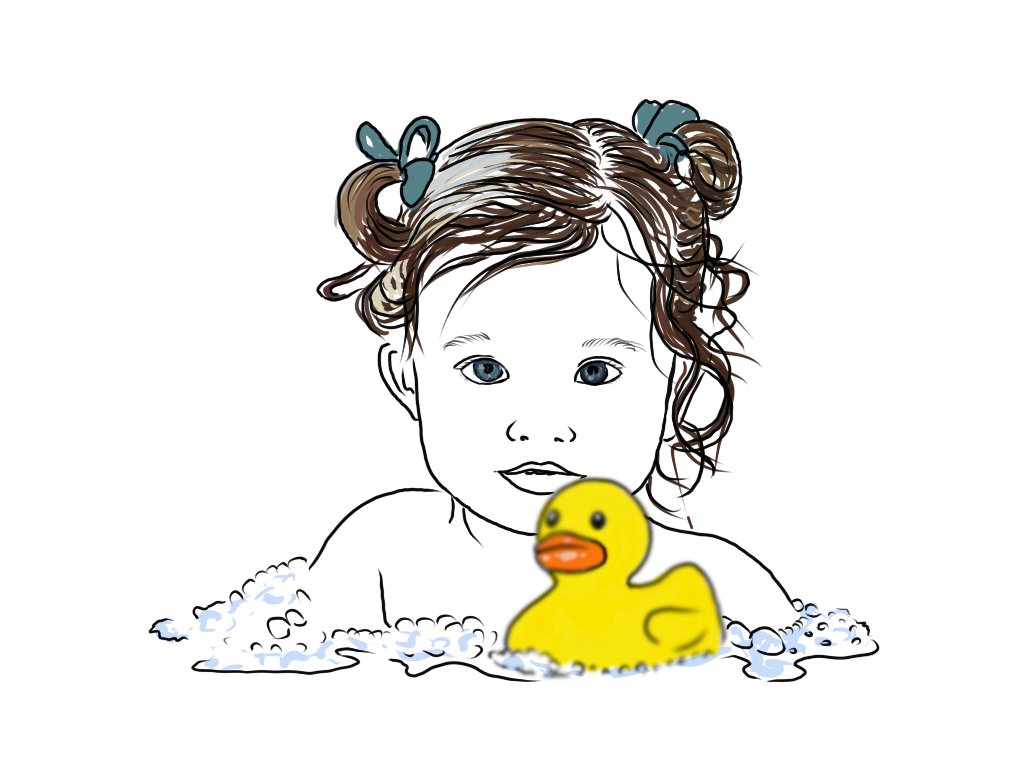
A bath before bed can help the wind down
Teachers can spot the children who didn’t get enough sleep within minutes: glazed eyes, short tempers, tears over lost pencils. Plus, kids tell us when they have stayed up late! Parents know it too - the morning struggle, the whining, the rush.
The answer isn’t stricter rules; it’s gentler rhythms.
🌼 Two small tips:
Build a “same three things” bedtime ritual - for example, bath, book, cuddle. When children know what comes next, their brains release calming hormones, signalling safety and rest. The routine matters more than the amount of time.
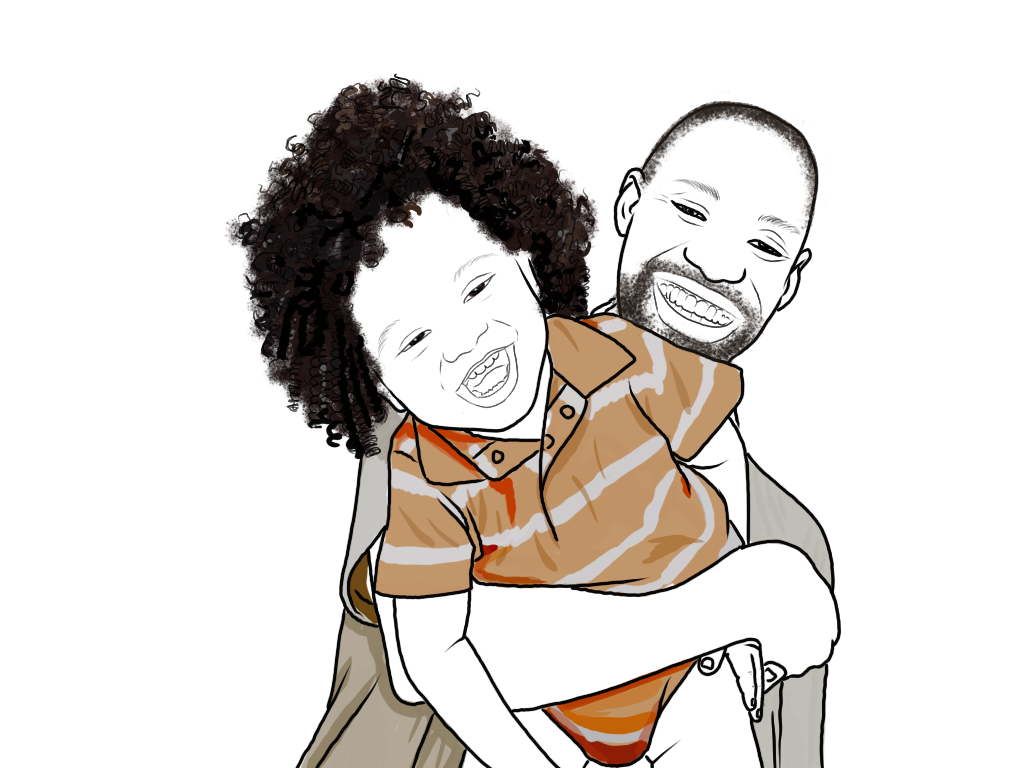
Some rough play can help release any spare energy
We know that a small amount of rough and tumble play an hour before bedtime can help by giving a dose of sensory input, releasing tension, causing laughter, and by no means least, building connection and a sense of safety.
Here are some examples from Nurtured First:
Pull your child along the floor using a blanket
Hold your child in a blanket and swing them
hold your child upside down on your lap, over your shoulder
Hold your child like a wheelbarrow so they can ‘walk’ around on their legs
Have your child jump off the settee into a giant pile of cushions and pillows
The Blossom Guide to Sleep and Bedtimes can help you to establish a bedtime routine! You can find it here.
Happy sleeping!