Our Best Sellers
To help with
Big Feelings
Click on the image to read more details or add it to your basket to download after checkout.
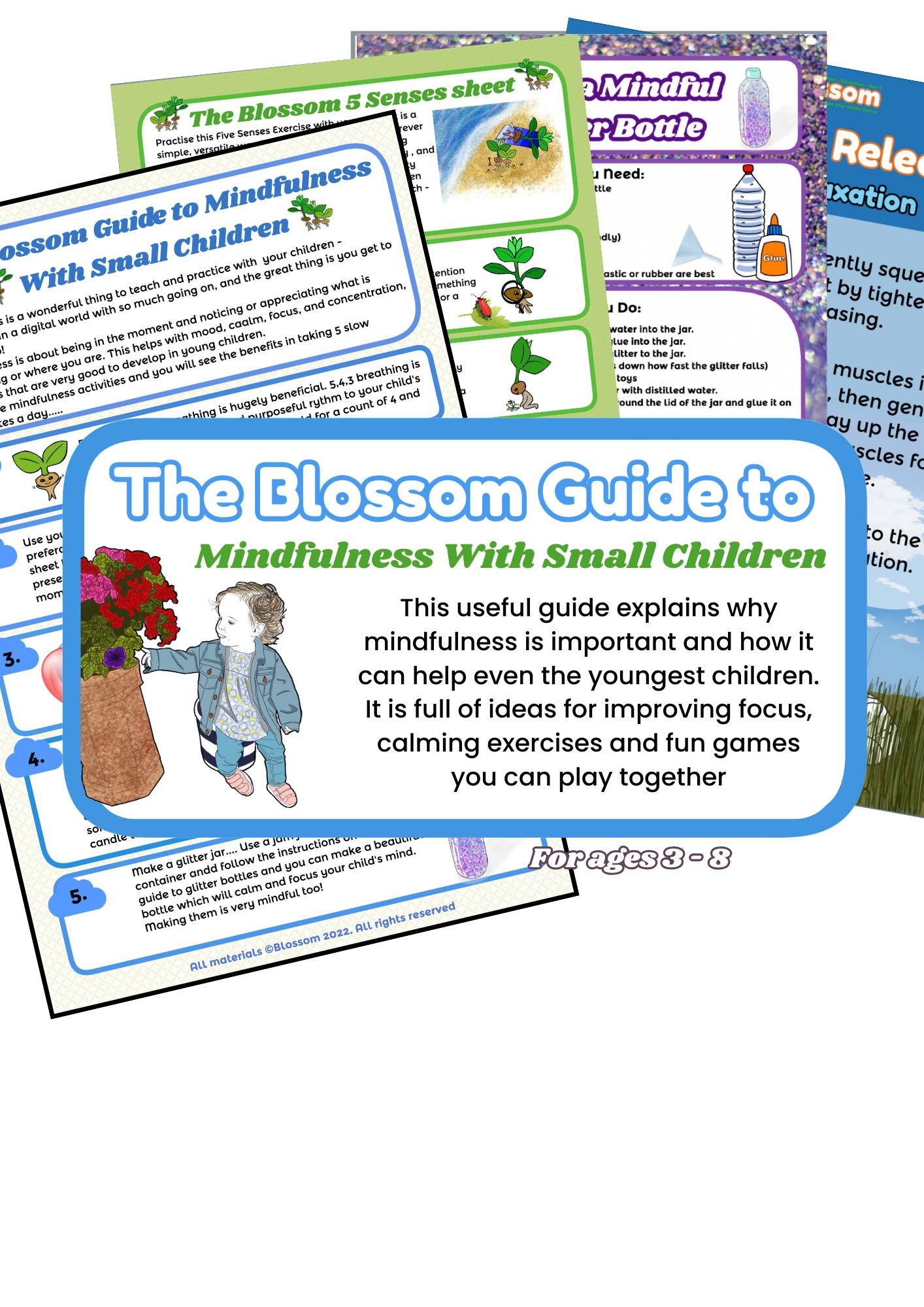
Welcome to a practical guide on self-regulation and mindfulness for families. Noticing and valuing calm is a useful step, and this guide offers straightforward ideas to help you bring more mindful moments into daily life.
Top tips for mindfulness
Practical strategies you can try at home to build simple mindfulness habits.
Short grounding techniques for settling into the present, easing stress and supporting emotional balance.
Ways to practice gratitude and appreciation that fit into family routines.
10 Minutes Together activity
Short, family-friendly activities designed to be completed in around ten minutes.
Examples include guided breathing, a brief nature walk, or mindful colouring — easy to adapt for different ages.
These activities are intended to create quiet, shared moments and help children and adults practise calm together.
Benefits
Greater calm and emotional balance for family members.
Improved ability to manage stress and regulate emotions.
Better focus and concentration in everyday tasks.
Stronger communication and connection within the family.
Support for children’s growing independence in recognising and managing their feelings.
Use the ideas here as simple, repeatable practices - small, consistent steps often make the biggest difference - and see the difference in your child’s confidence, focus, and ability to regulate their emotions!

How to investigate and explore an issue without influencing your child - using these techniques helps to avoid misunderstandings and helps you to deal effectively issues and support them with their emotions and problems.
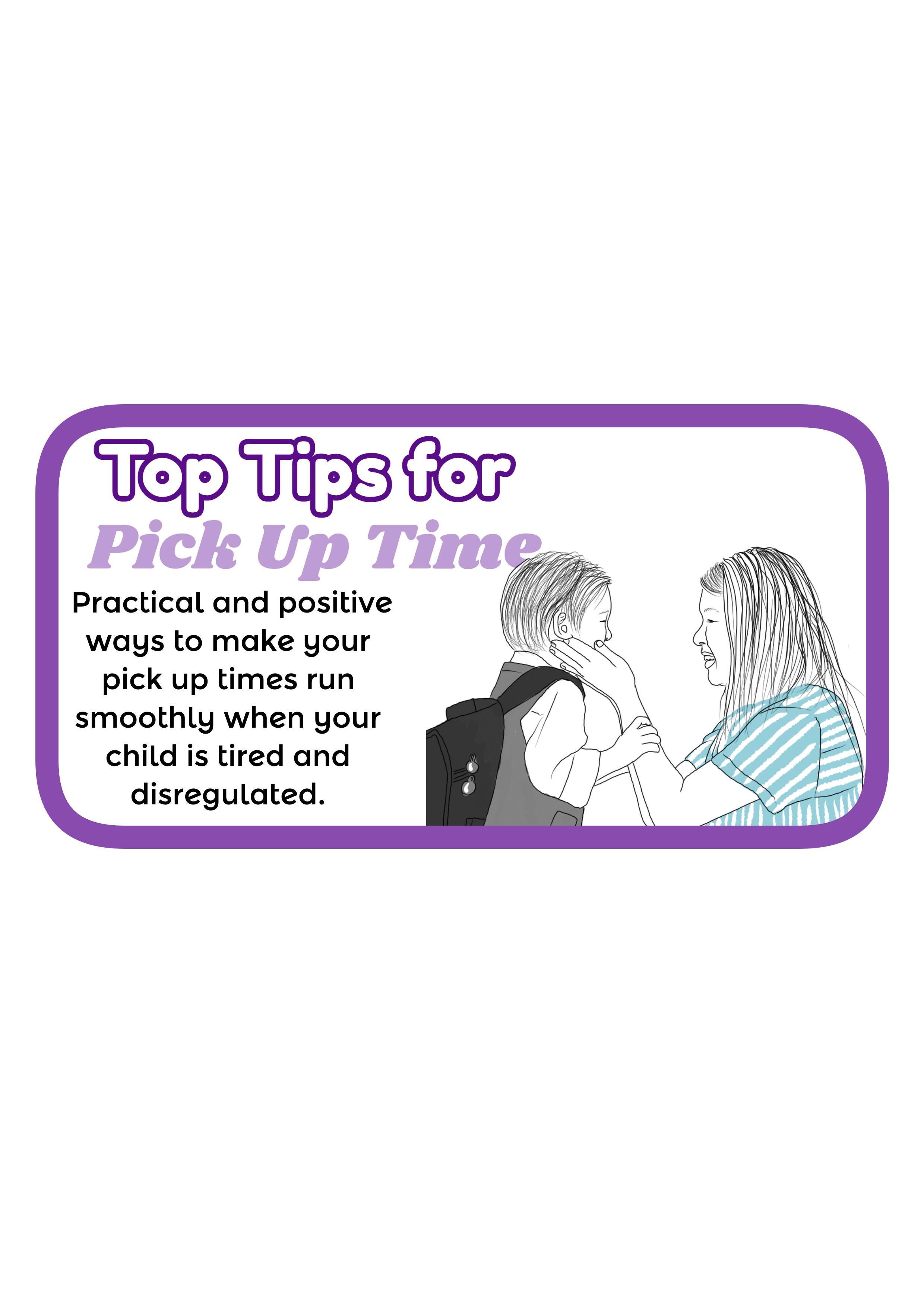
Ensure you're always prepared with our essential guide filled with two pages of simple, helpful, and practical tips for picking up your child when they're tired and out of sorts. Secure your copy now and have the support you need right at your fingertips—before the moment arises and equip yourself today to handle those challenging moments with ease and confidence!
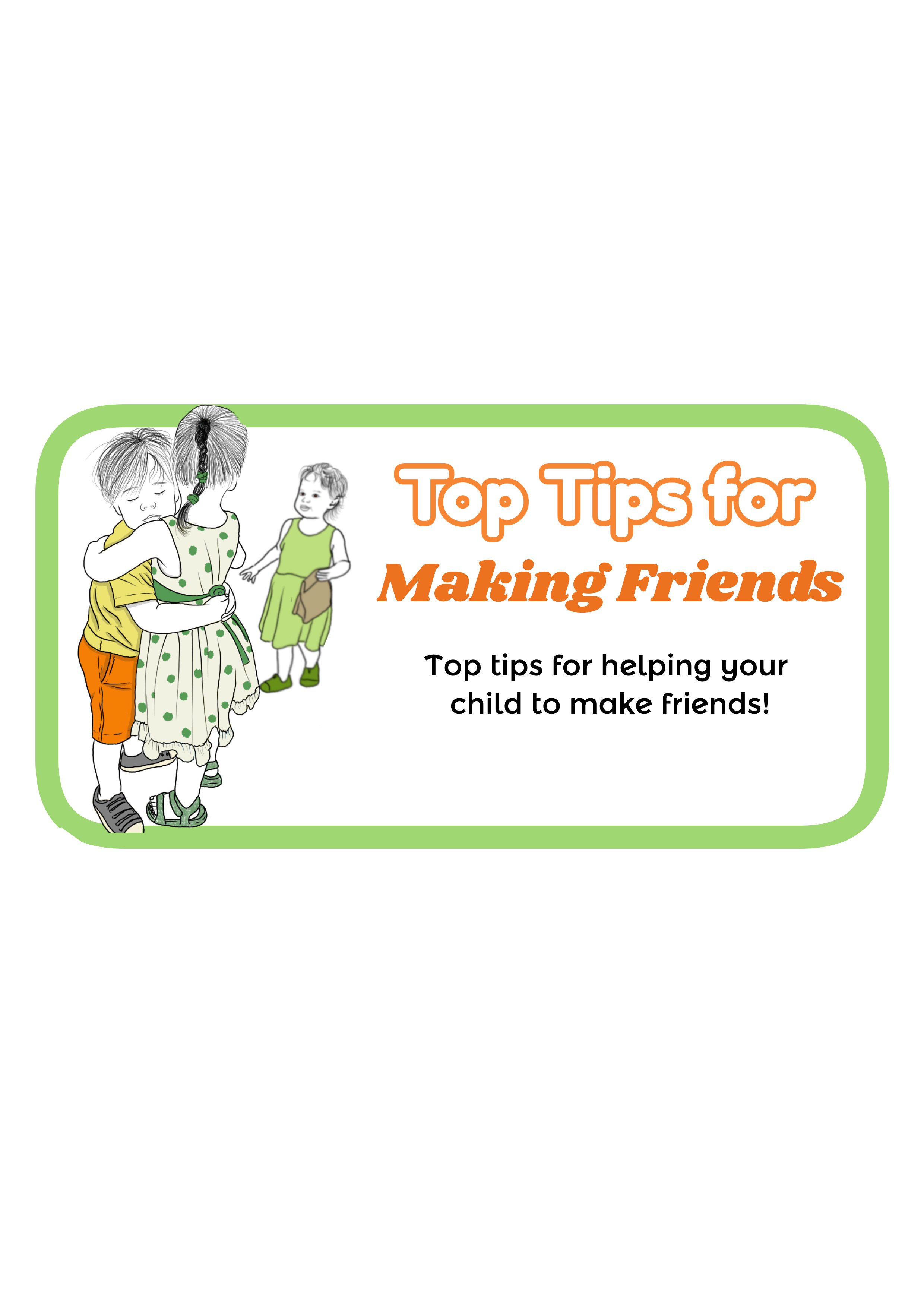
Brilliant ideas for how to help your child widen their circle of friends, or make new friendships, enabling them to feel confident and independent.
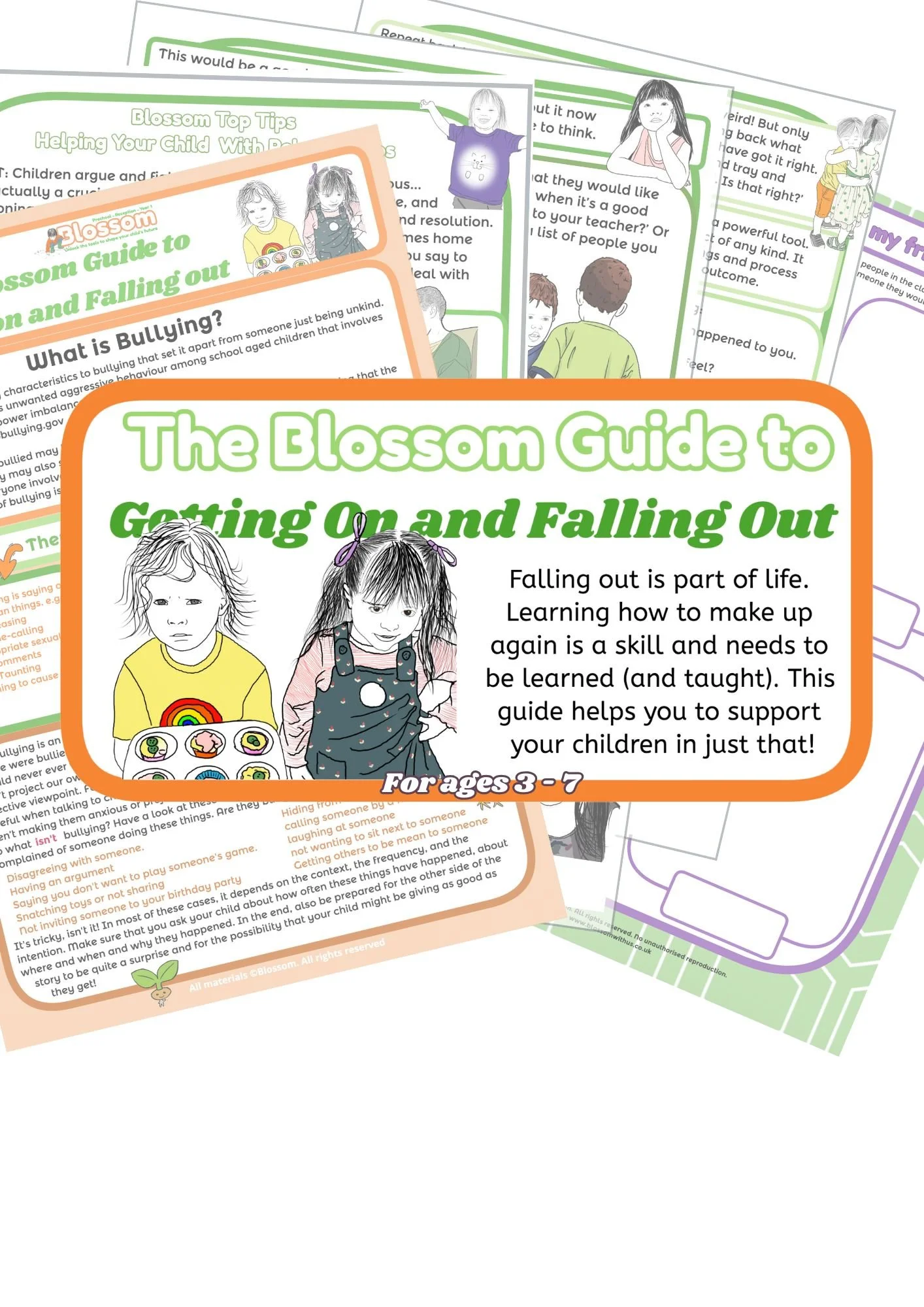
Recommend age: 3 - 7
Navigating the ups and downs of friendships is a rite of passage for all children and it can play havoc with your emotions a parents. But don’t worry, our guide is here to arm you with the tools and strategies needed to support your child through these inevitable bumps in the road. Packed with practical advice and creative ideas, this guide is your go-to resource for helping your child build resilience and effectively resolve conflicts with friends.
Discover proven techniques for fostering resilience in your child, empowering them to bounce back from friendship challenges stronger than ever. From active listening to problem-solving skills, we'll guide you through the process of equipping your child with the emotional tools they need to thrive in their social interactions.
But our guide isn't just about navigating rough patches – it will also show you cheap or free games to enjoy with your child and their friends, games which are sure to provide hours of laughter and bonding.
Say goodbye to friendship woes and hello to a world of resilience and connection. With our guide by your side, you'll be equipped to support your child through the twists and turns of their friendships, fostering a sense of confidence and resilience that will serve them well for years to come. And all for less than the cost of a meal deal!
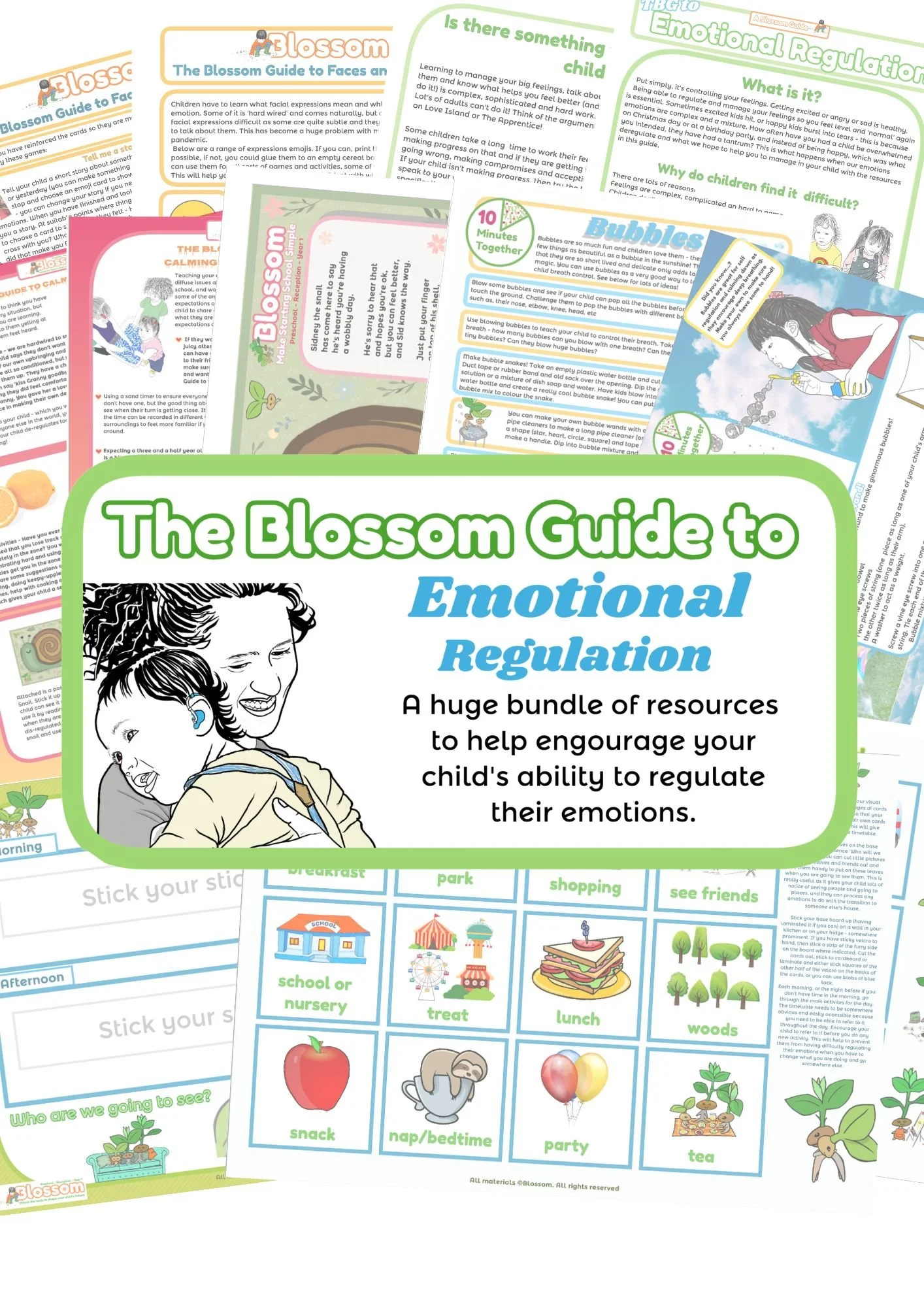
Our comprehensive guide to Emotional regulation - what it is and how to help your child manage theirs.
In our expert written pack we supply you with everything you need to understand the reasons behind your child’s deregulation and we give you a host of tips to try which can help your family manage the episodes.
In the pack you will find:
Our two page guide on what deregulation is and how you can recognise the triggers. Understanding what it is, why children lose control and how to help them regain it will stop you from feeling out of control and losing your temper. You can feel aread, in control and empowered
Our two page practical guide to calm down strategies for you to try with your child - being armed with some techniques to try is empowering for you and will create security and safety for your child.
Our guide to using bubbles to help calm down and a recipe for bubble liquid. Bubbles help to regulate breathing and are a great way to help children calm down.
Our Blossom Guide to Faces and Feelings - a set of game cards and three games designed to help your child talk about their feelings and emotions and to be able to name more complicated and complex feelings. By being able to talk about their emotions, they will be able to relate to you how they feel before frustrations kick in.
A visual timetable with cards for common activities and places, and customisable cards for personalisation.
Our Sidney The Snail self regulation poster - great for teaching breathing strategies to calm down.
By using the tools in this kit, you will learn how to manage outbursts, ‘tantrums’ or ‘meltdowns’ - whatever you want to call them - and prevent them from ruining everyone’s day! You will be able to teach your child stragtegies they can use when they feel themselves losing control and can teach them how to talk about and name their emotions so that they can communicate about their feelings when things are going awry
Useful for all children 2 - 10!
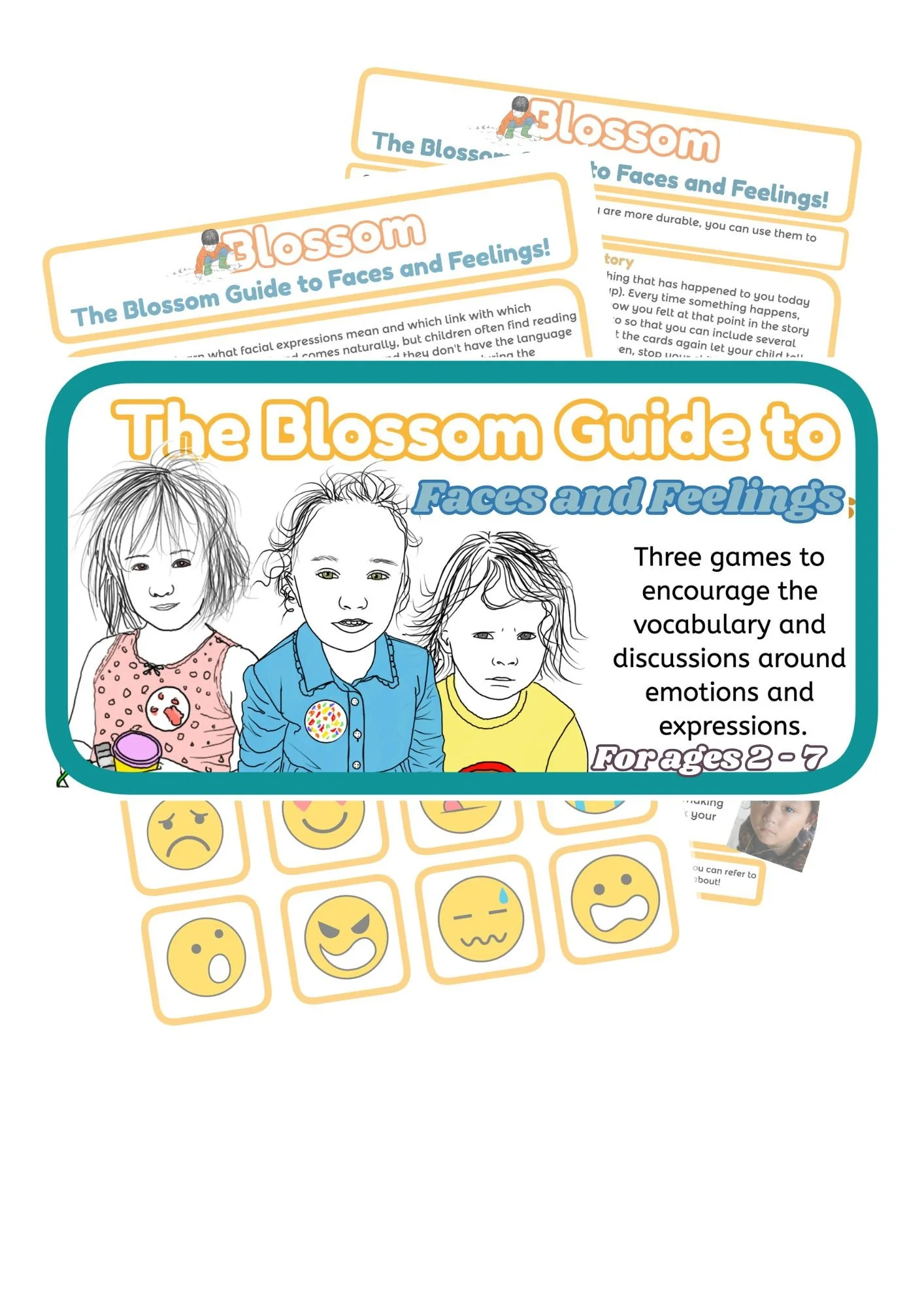
Introducing our fun set of games designed to help you talk to your child about the world of emotions. Did you know that most children can only name three or four emotions? It's no surprise that navigating their feelings and regulating emotions can be a challenge. If they can’t talk about them, how can they tell us how they feel? That's where our games come in – specifically crafted to expand their emotional vocabulary and enhance their understanding of feelings.
These engaging activities serve as the first step on the journey to emotional regulation, empowering children to articulate and express their emotions with confidence. By immersing themselves in play with you, they'll explore and develop the language skills necessary to navigate their emotions.
The frustration of misunderstood feelings will be a thing of the past and your child will be free to express themselves and their feelings and have them celebrated, laying the foundation for a lifetime of emotional intelligence and well-being.
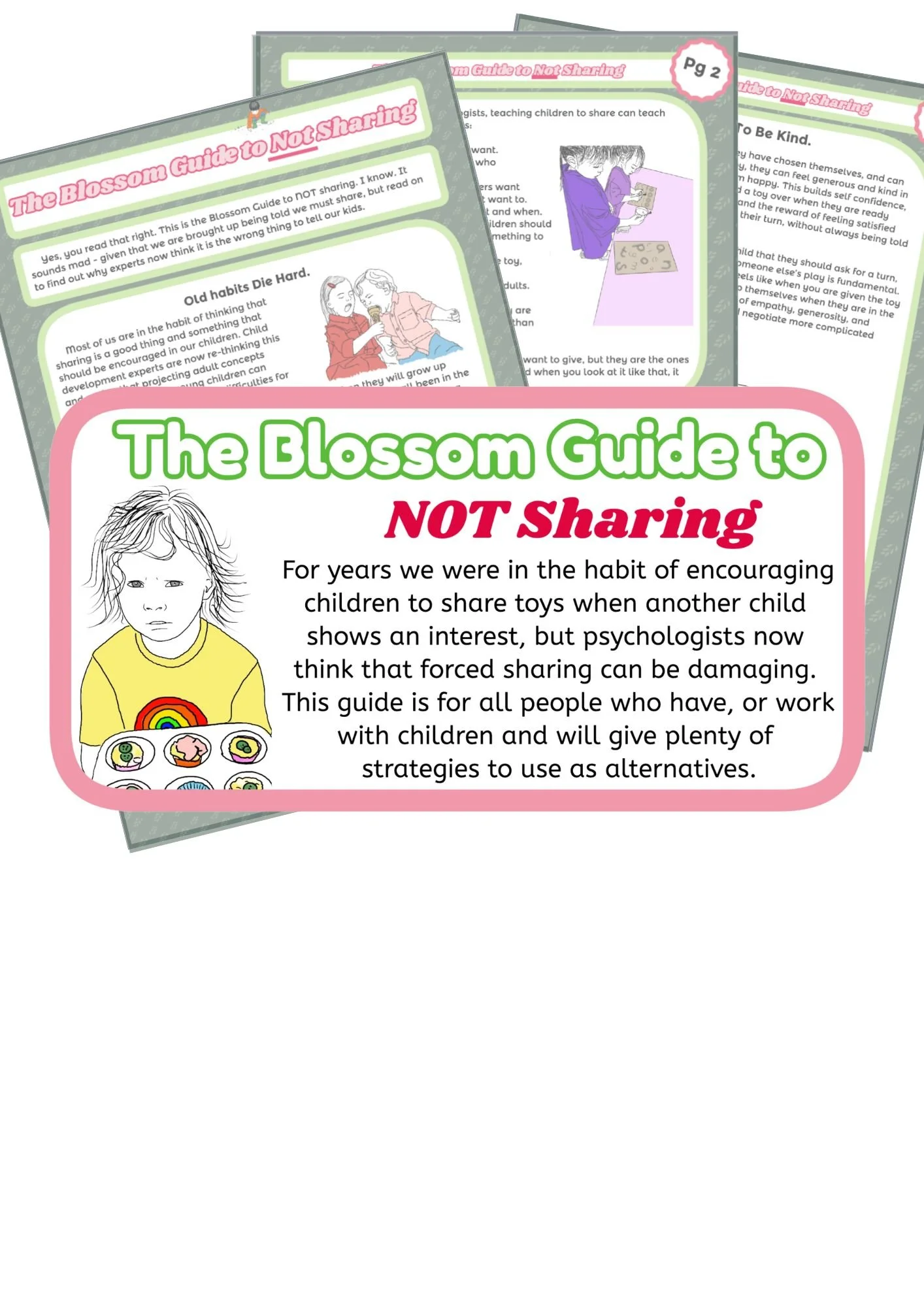
We’ve all been there - a child grabs a toy off another and immediately we are in a sticky situation. Should we force sharing, or is it ok to say no? Worry no longer, because this easy to read guide will walk you through strategies and techniques so you can feel confident and assured in your approach.
Unlock simple, practical ways to help your child resolve these conflicts without yelling, forcing, or feeling like they have lost out.
You’re busy. Between drop-offs, meals and bedtime routines, you don’t have time for complicated theories or one-size-fits-all rules. You want straightforward, trustworthy advice that you can feel confident in and which actually works in real life. This guide is written for that.
What’s in it for you
Clear, no-jargon explanations of why “force them to share” can backfire and what that means for your child’s confidence and relationships.
Easy-to-use strategies you can try today: calm scripts to use in the moment, simple ways to model negotiation, and small routines that teach fairness and respect.
Concrete ways to encourage empathy, so kids choose cooperation because they want to, not because they’re told to.
Tips for turning tense toy-grabbing moments into quick learning opportunities that don’t derail your day.
Why parents like this guide
Short, practical steps - no long reading sessions required.
Real-life examples from everyday playdates and the playground.
Tools that respect your child’s feelings and help them build independence.
If you want fewer shouting matches, easier playtime, and children who learn to solve conflicts kindly and confidently, this guide is made for you. Simple, effective, and ready to use - because parenting advice should fit your life, not complicate it.
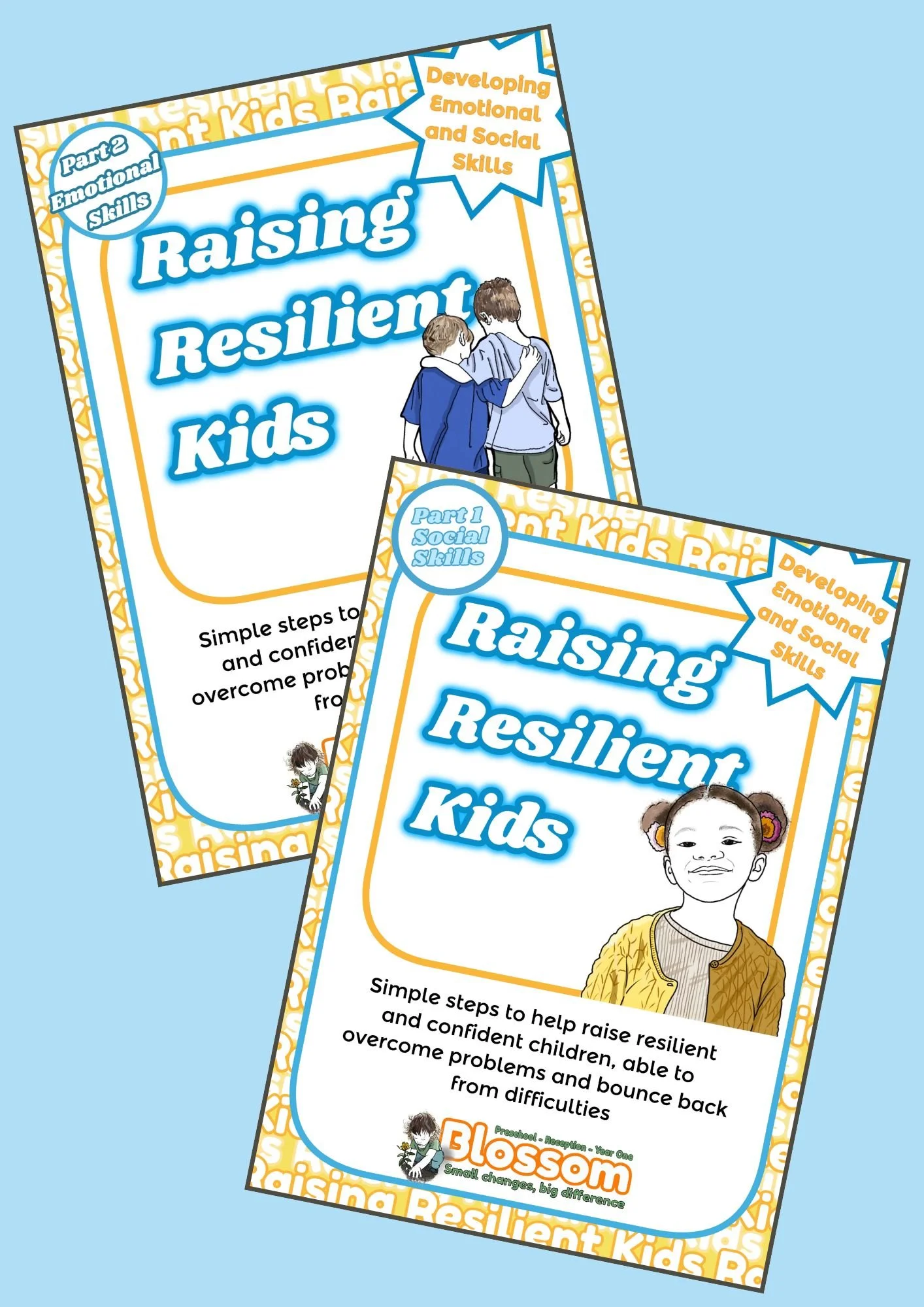
Raising Resilient Kids – Part 1 - Developing Social Skills is your down-to-earth, practical guide to supporting your child’s social and emotional wellbeing from the early years up to age 10. Created by experienced educators and parents, this ebook gives you the tools to help your child manage big feelings, bounce back from setbacks, and develop a strong, positive mindset. Through simple strategies, real-life examples, and play-based activities, you’ll learn how to nurture resilience in everyday moments, without lectures, guilt, or overwhelm.
Whether your child struggles with frustration, anxiety, or confidence, this guide will help you feel calm, equipped, and connected. It’s not about perfection, it’s about progress, and Raising Resilient Kids will walk with you every step of the way helping you to feel confident, empowered and safe in the knowledge that you’ve got this thing called parenting nailed!
Raising Resilient Kids: Part 2 – Developing Emotional Skills. If you’ve ever wondered why your child suddenly melts down over a broken banana, or why calm reminders seem to bounce off them like rubber balls in a storm; this guide is for you.
In this part of the journey, we dig into why children respond the way they do. We’ll explore the incredible (and sometimes unpredictable) world of brain development, especially the bits responsible for those big fight, flight, or freeze reactions. When you understand what’s going on beneath the surface, everything starts to make more sense.
But we don’t stop at the why. This guide is packed with simple, effective strategies to help your child learn how to talk about their feelings, understand what’s happening inside their bodies, and develop tools to calm themselves when things feel overwhelming. From building emotional vocabulary to everyday mindfulness techniques, you’ll have what you need to support emotional literacy and self-regulation at home.
No perfection required. Just progress, patience, and playful connection.
Let’s grow their emotional toolkit together.
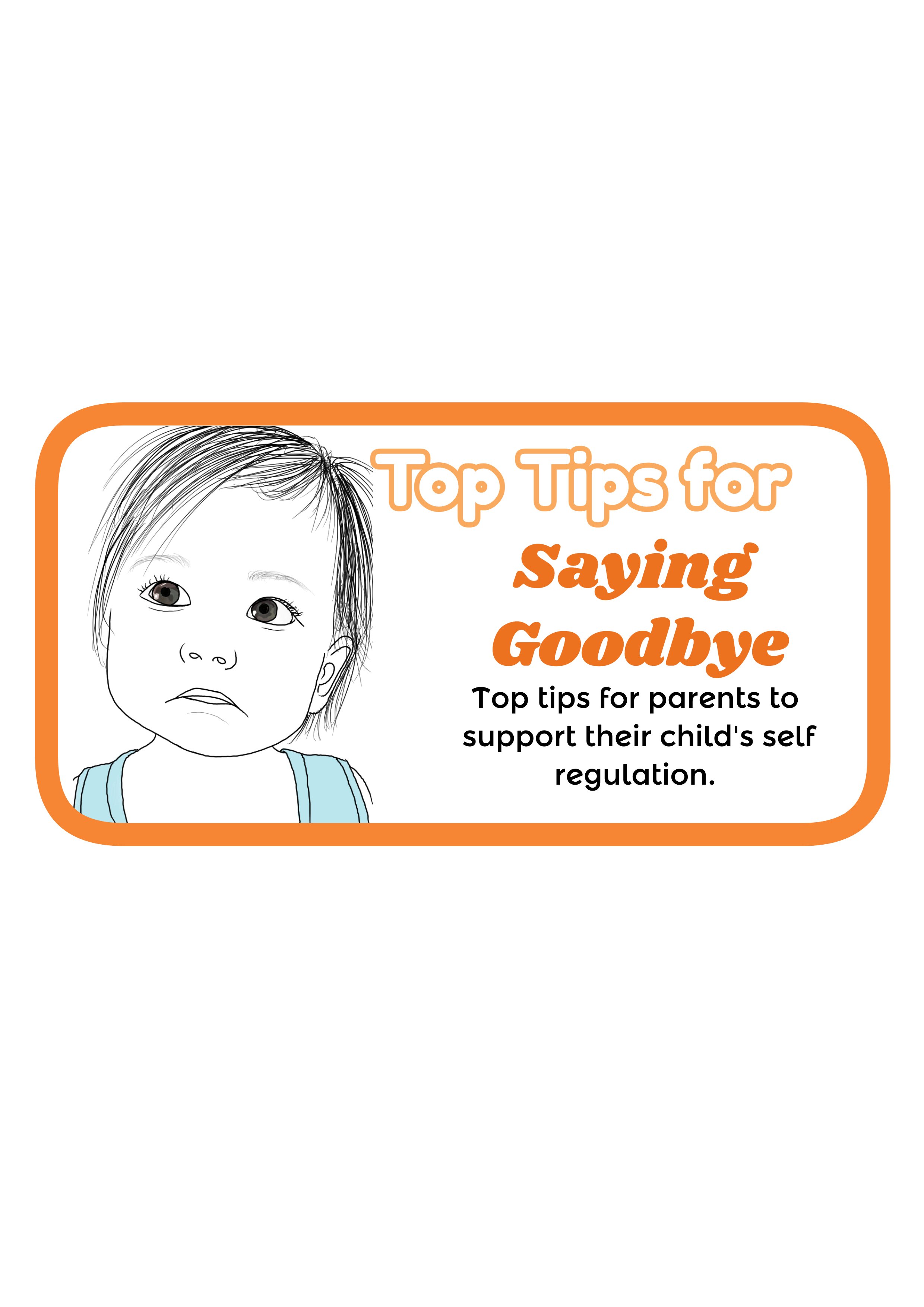
Most kids have a time when they find saying goodbye difficult. Here are Blossom’s top tips for helping your child to regulate their emotions and say goodbye confidently and calmly, feeling settled and happy.
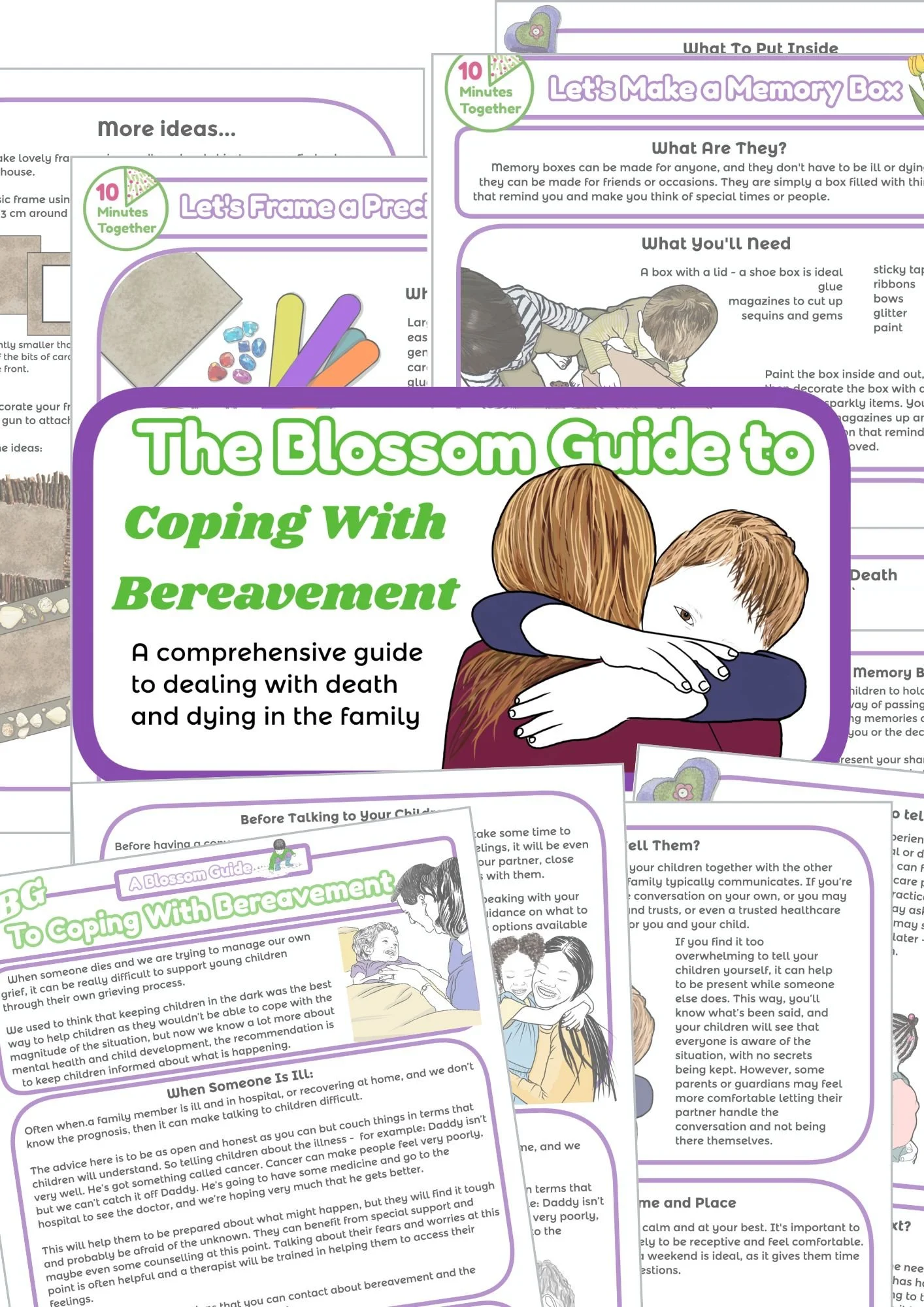
This is more of an e-book than just a guide. It has two Ten Minutes Together activities in it for crafting activities that will help to remember and commemorate special people, giving time for children to process their feelings. Crammed with advice to help you to broach with young children the difficult subjects of ill health terminal illness and death. Along with a guide to how children of different ages process and understand death, this guide will help you to prepare what to say and when you might say it. Written using help, advice and guidance from a range of charities, including The Macmillan Trust and broken down into chunks that are easy to digest and process.
Click on the area of learning to see best sellers by range
Click the buttons to see best sellers by subject




Or see best sellers for your child’s age group!